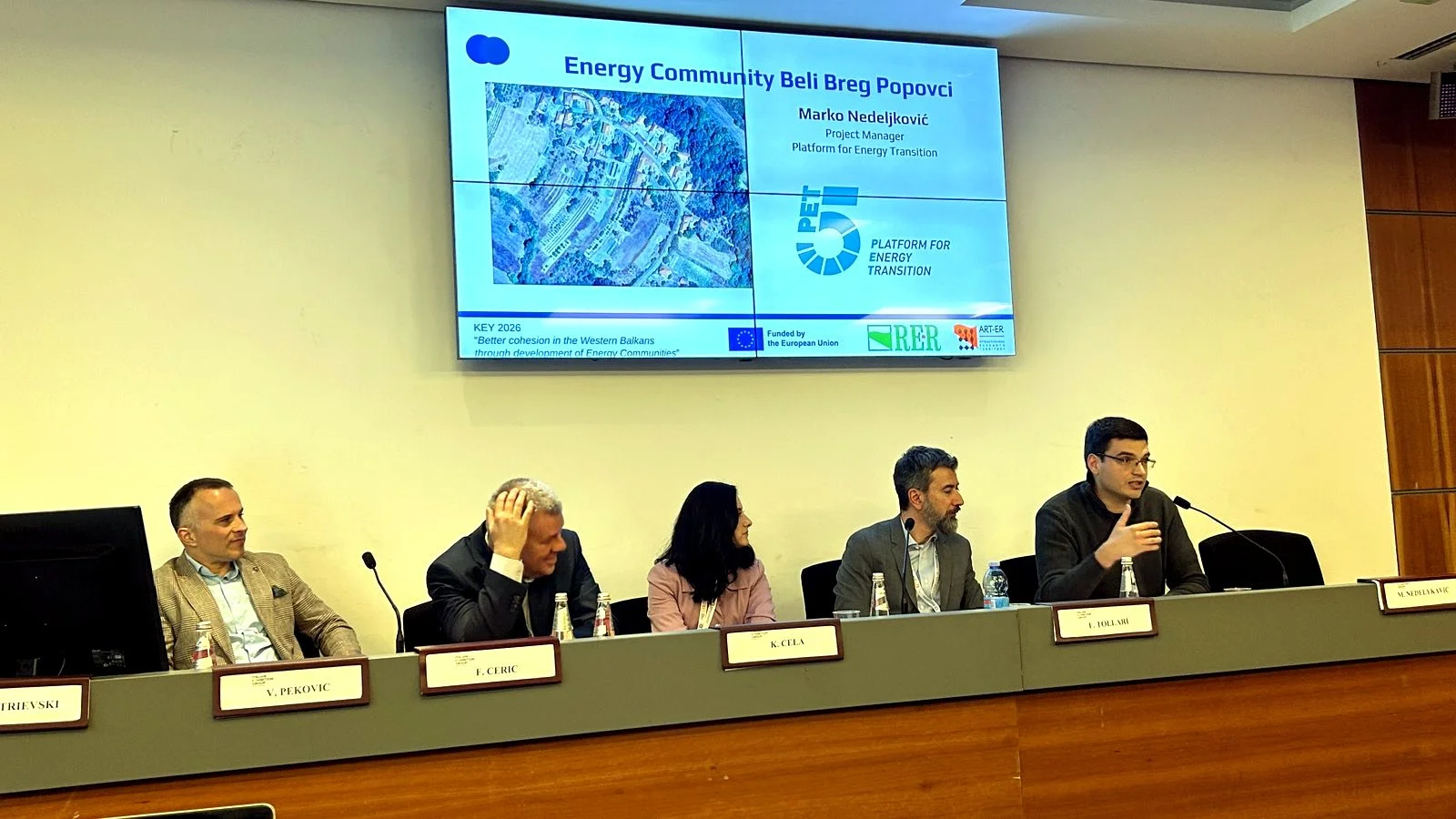
PET is a non-profit think tank and implementation platform based in Niš, Serbia, and Cetinje, Montenegro, working to accelerate a just, democratic and locally grounded energy transition across the Western Balkans.
We support citizens, local self-governments, public institutions and community initiatives in taking an active role in shaping a decarbonized, resilient and socially inclusive energy system, translating climate and energy goals into concrete local action aligned with the Paris Agreement, the EU Green Deal and the long-term goal of climate neutrality by 2050.
Driven by a core team and a network of more than 20 specialized associates, PET combines academic excellence with practical experience in energy law, municipal energy planning, renewable energy and just transition.
Citizens' energy is a key driver of a just energy transition.

PET Montenegro.
Big Ideas,
Real Impact.
PET is expanding its operations to Montenegro. We are bringing our academic expertise and on-the-ground experience to support a just and inclusive energy transition as the country approaches EU accession, creating new opportunities for regional cooperation and European LIFE-funded climate initiatives.
PET’s work is organized around four interconnected areas
Municipal and Community Transition Support
PET is among the leading organizations in Serbia supporting citizen-led energy initiatives, local energy planning and emerging energy communities through legal, technical, policy and community engagement support.
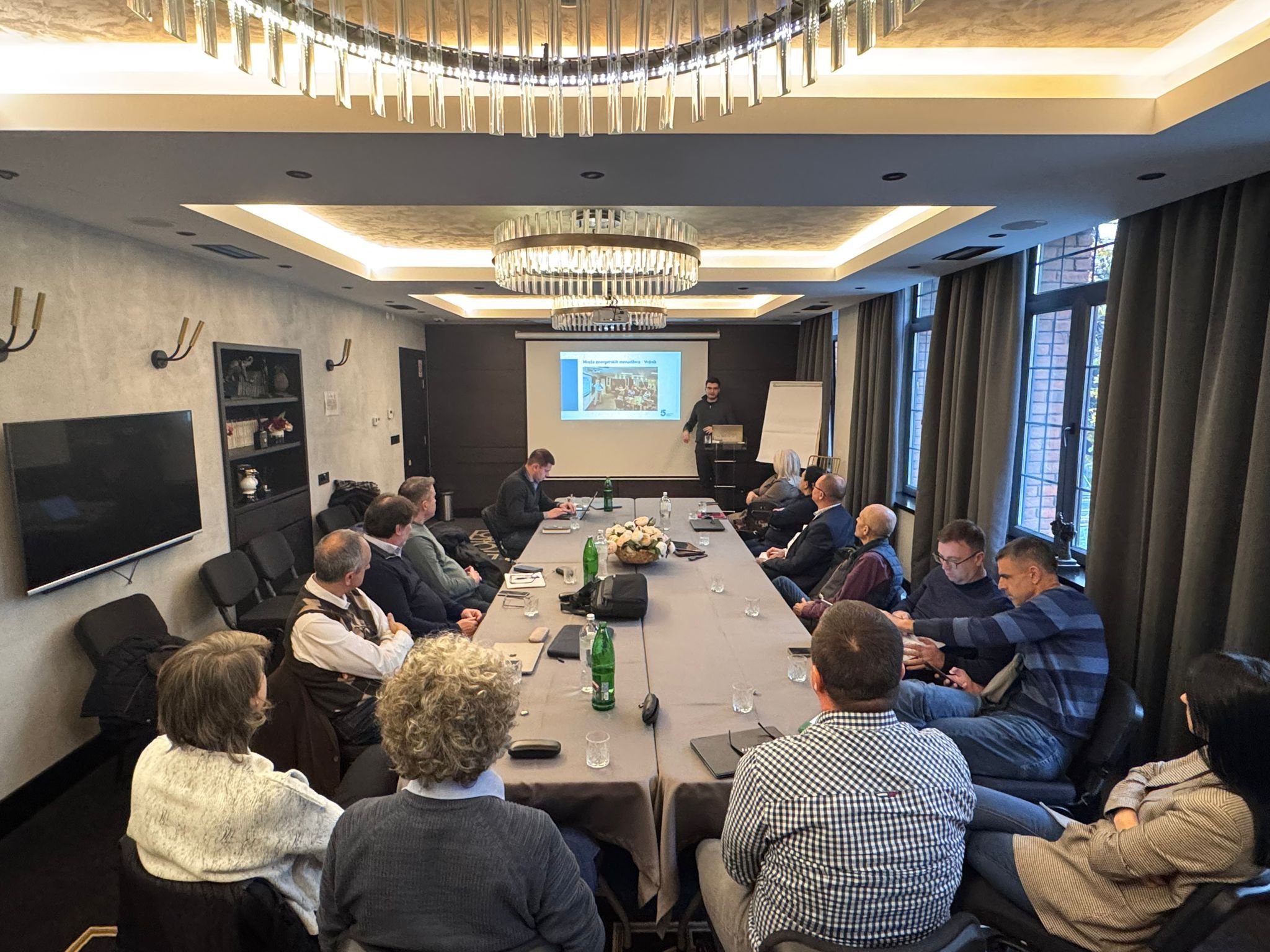
PET serves as a platform for stakeholder dialogue and cooperation, connecting citizens, local governments, experts, academia, civil society organizations, the private sector and public institutions around practical energy transition challenges.
Education & Capacity Building
PET translates its field experience, academic expertise and work with local actors into applied research, practical guides, roadmaps and policy tools for municipalities, communities and citizens. Its publications are designed to make energy transition, citizen energy and local climate action more understandable and easier to implement in practice.
Regional Dialogue, Networking and Partnerships
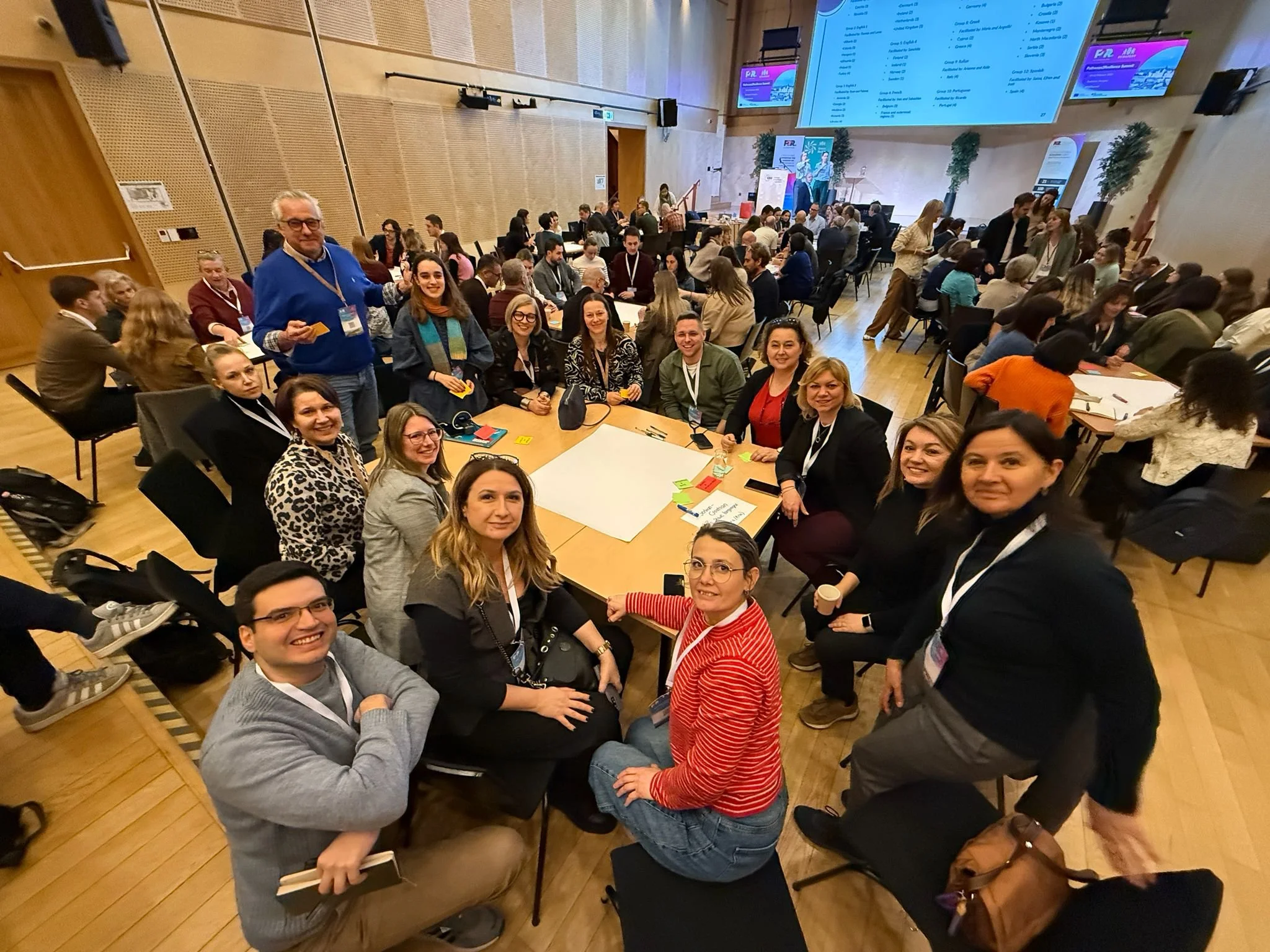
PET serves as a platform for stakeholder dialogue and cooperation, connecting citizens, local governments, experts, academia, civil society organizations, the private sector and public institutions around practical energy transition challenges.
Research, Publications and Practical Tools


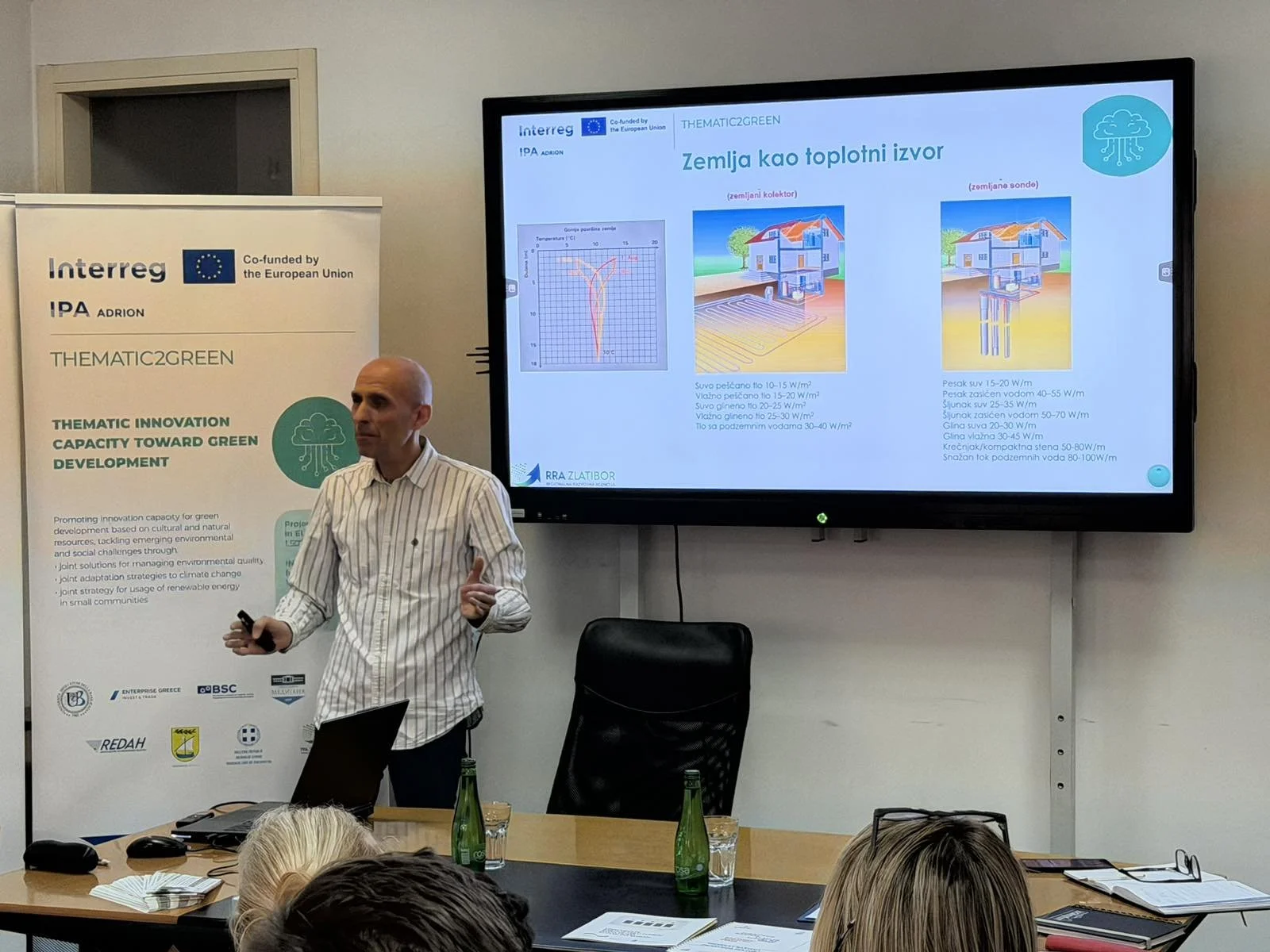
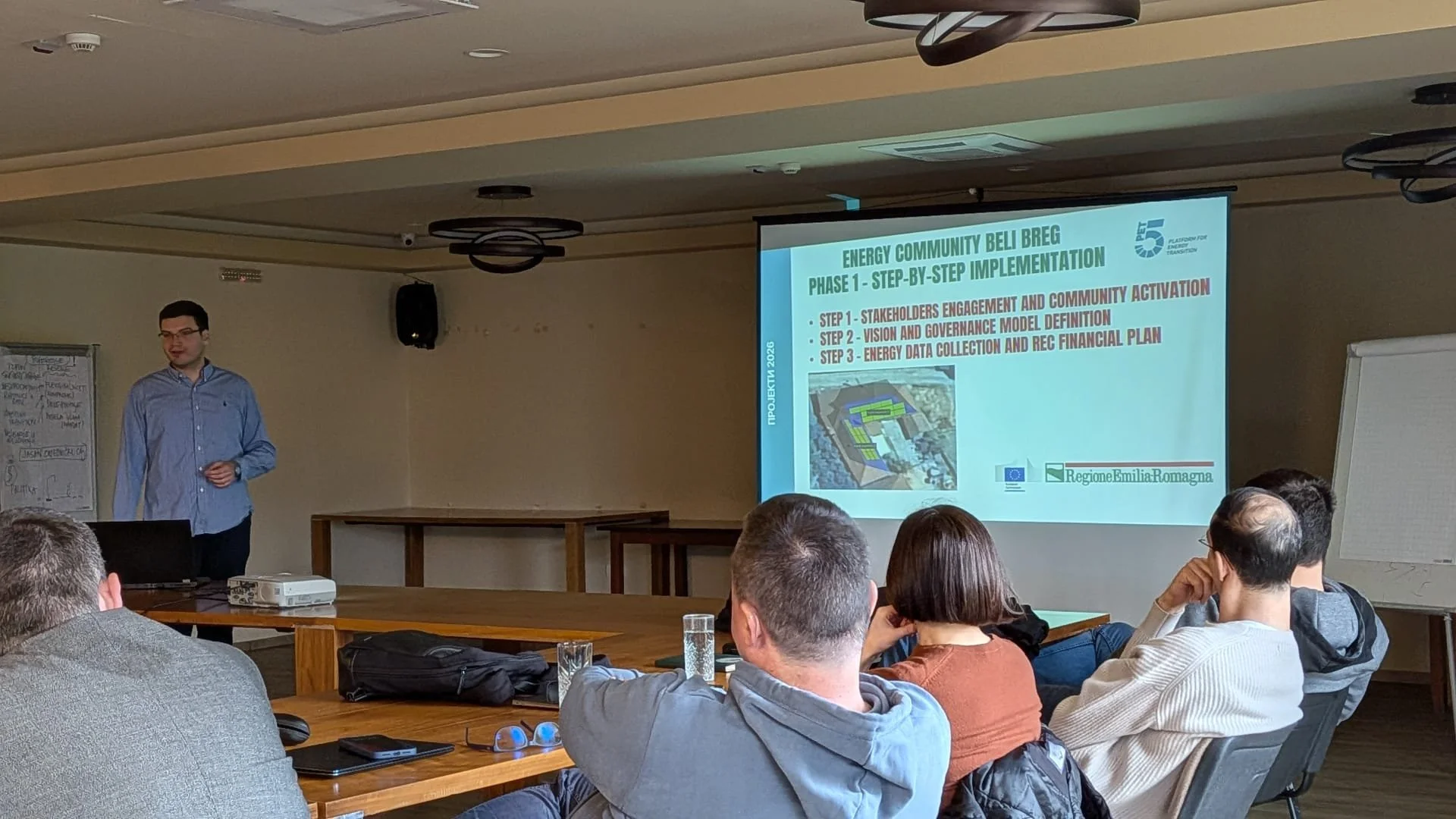
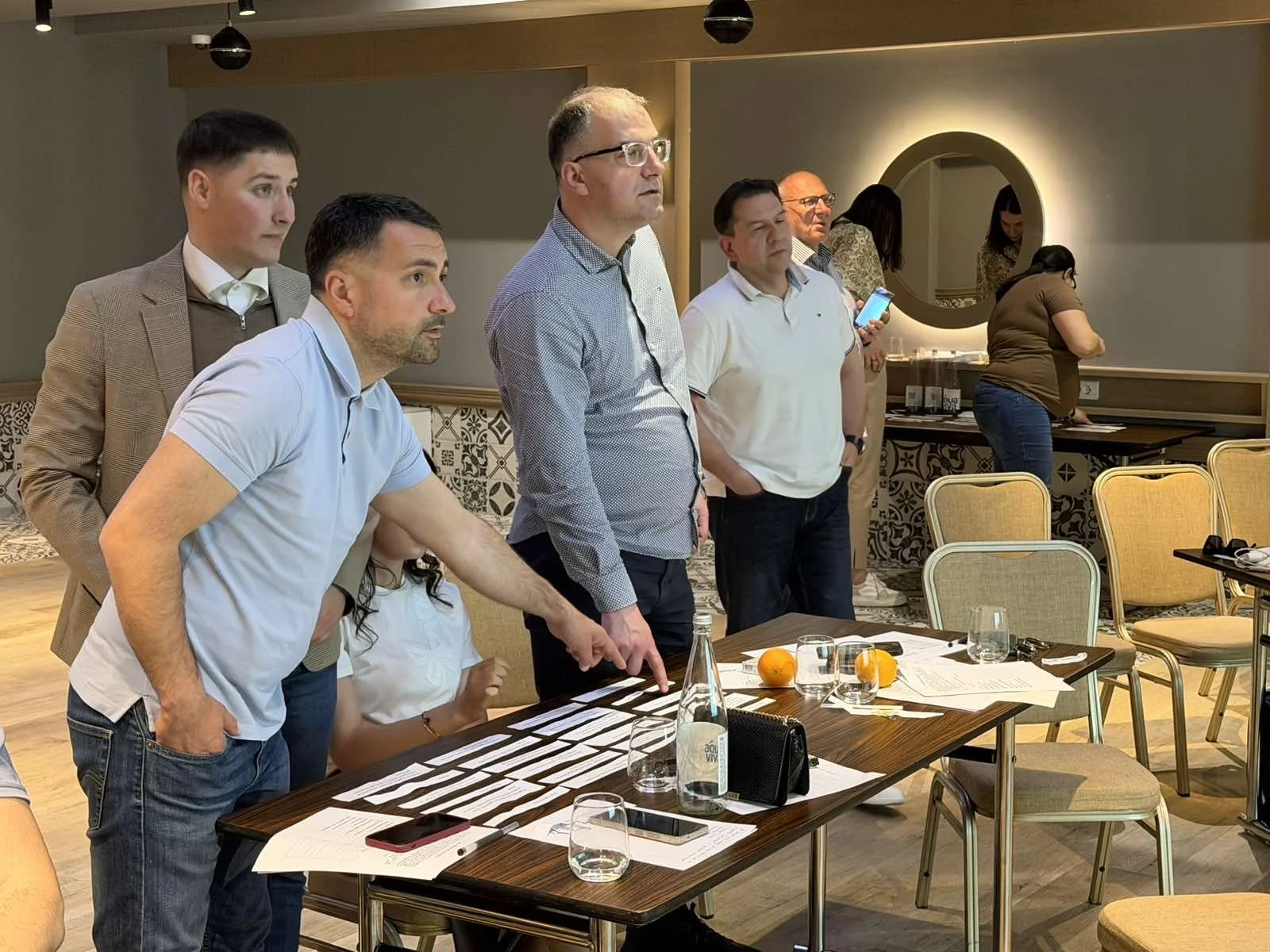
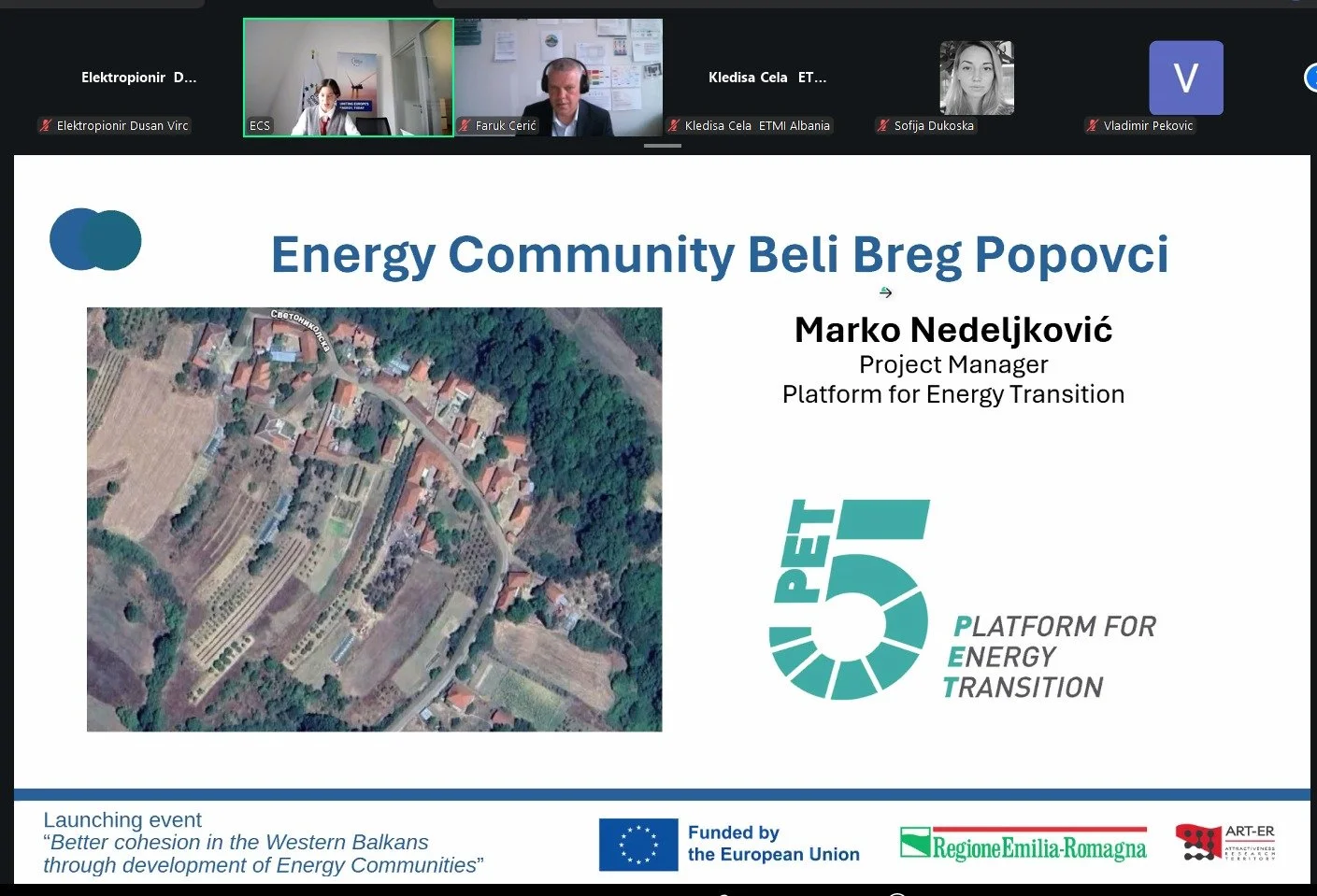






Research, Publications and Practical Tools
-
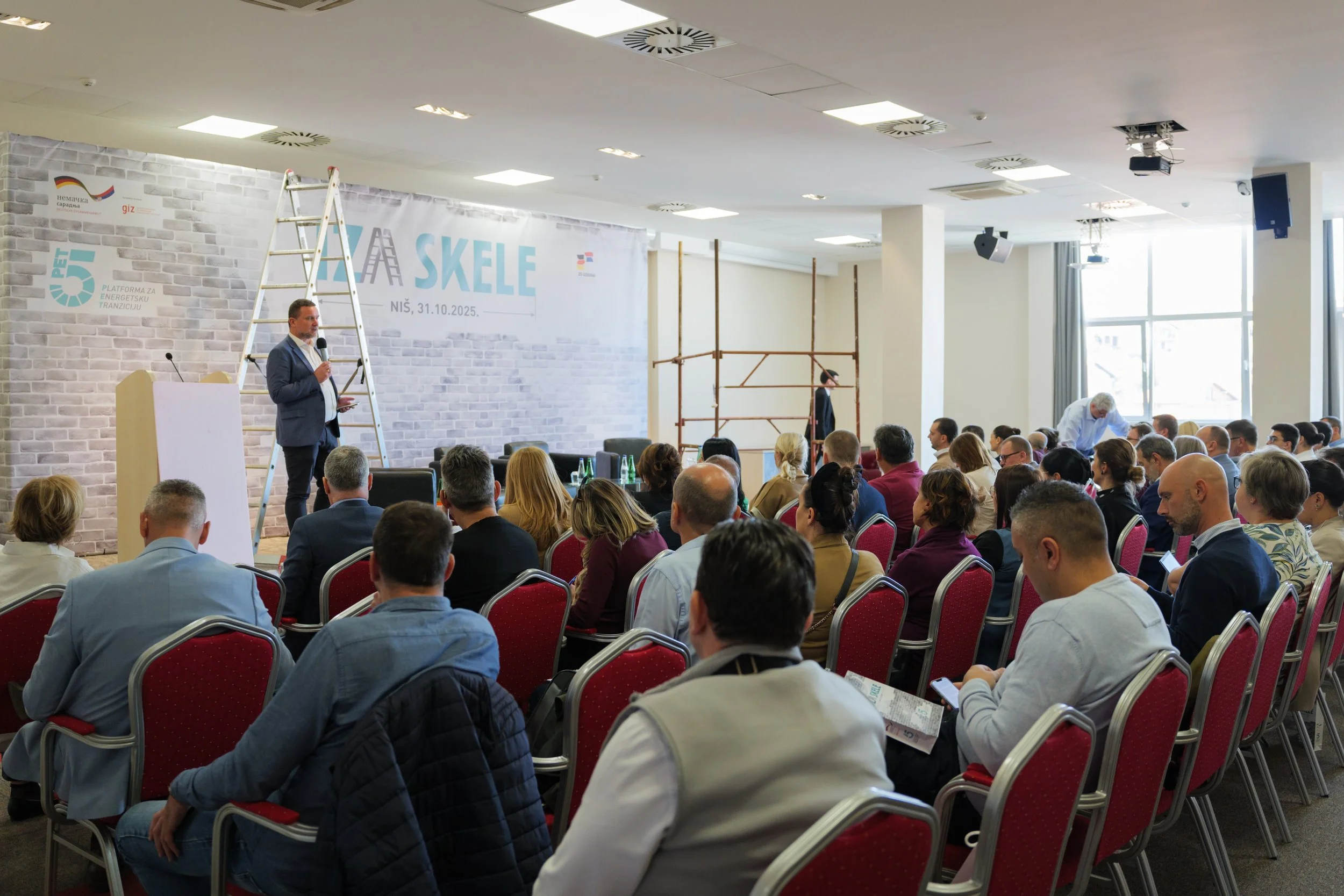
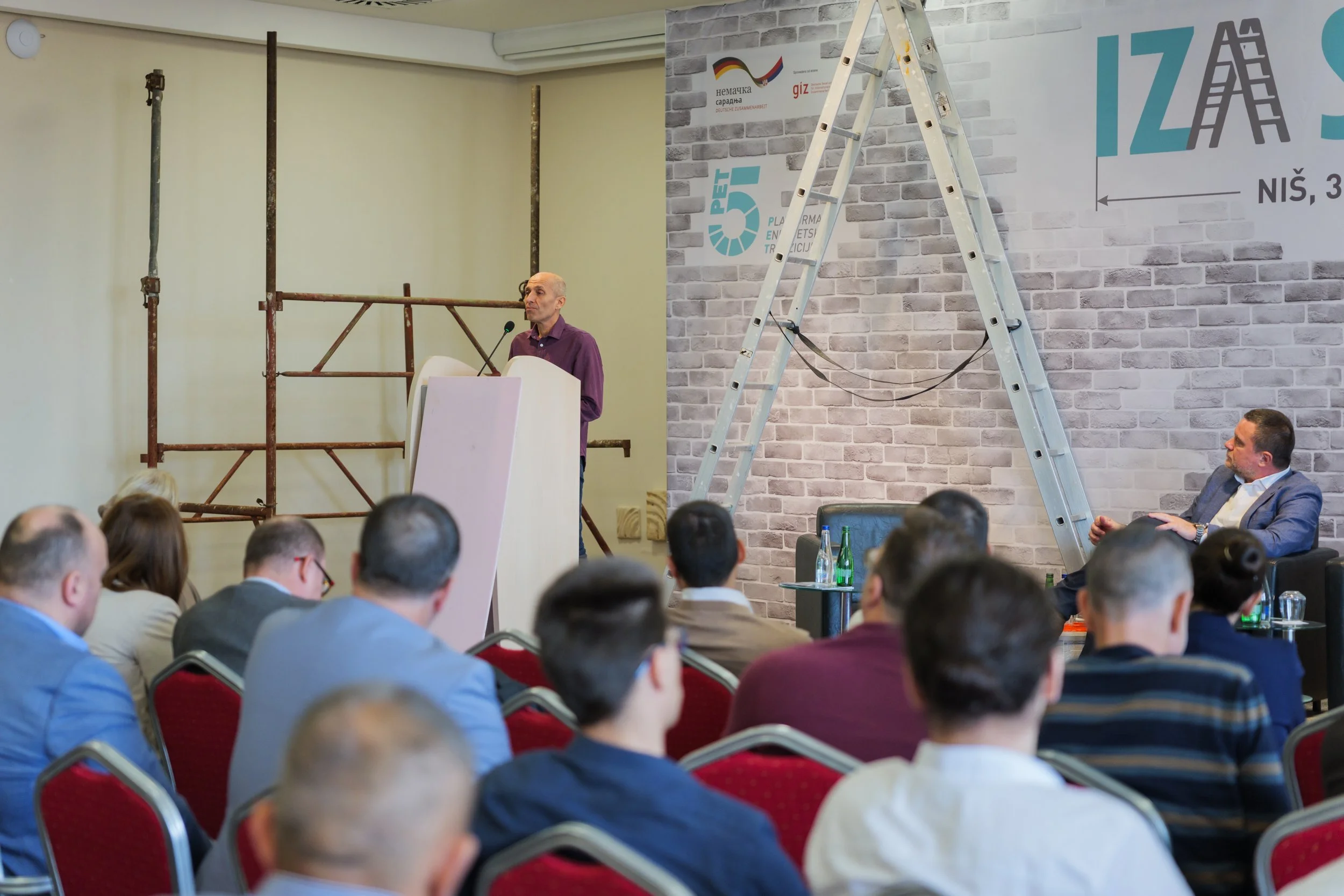
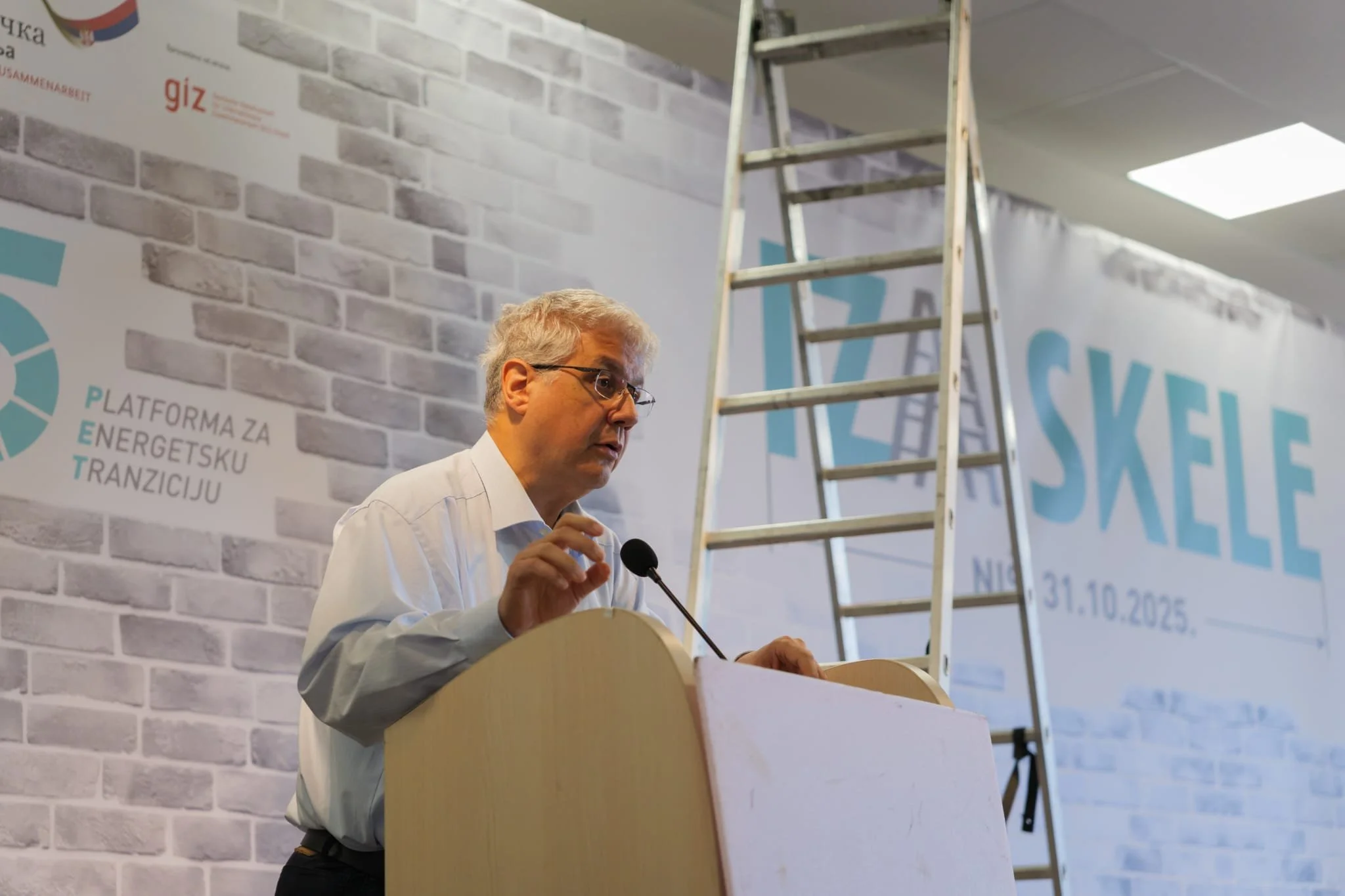
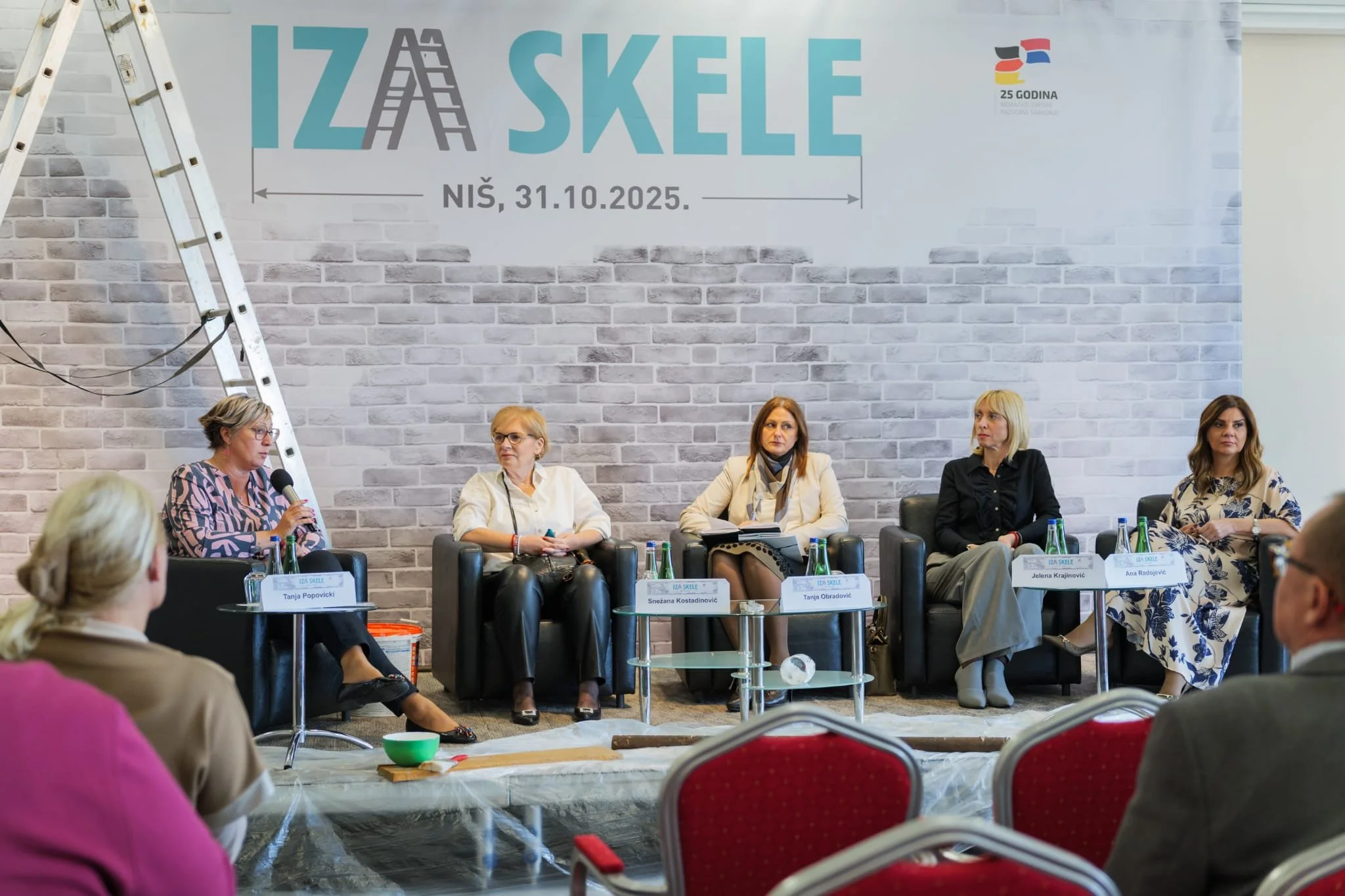
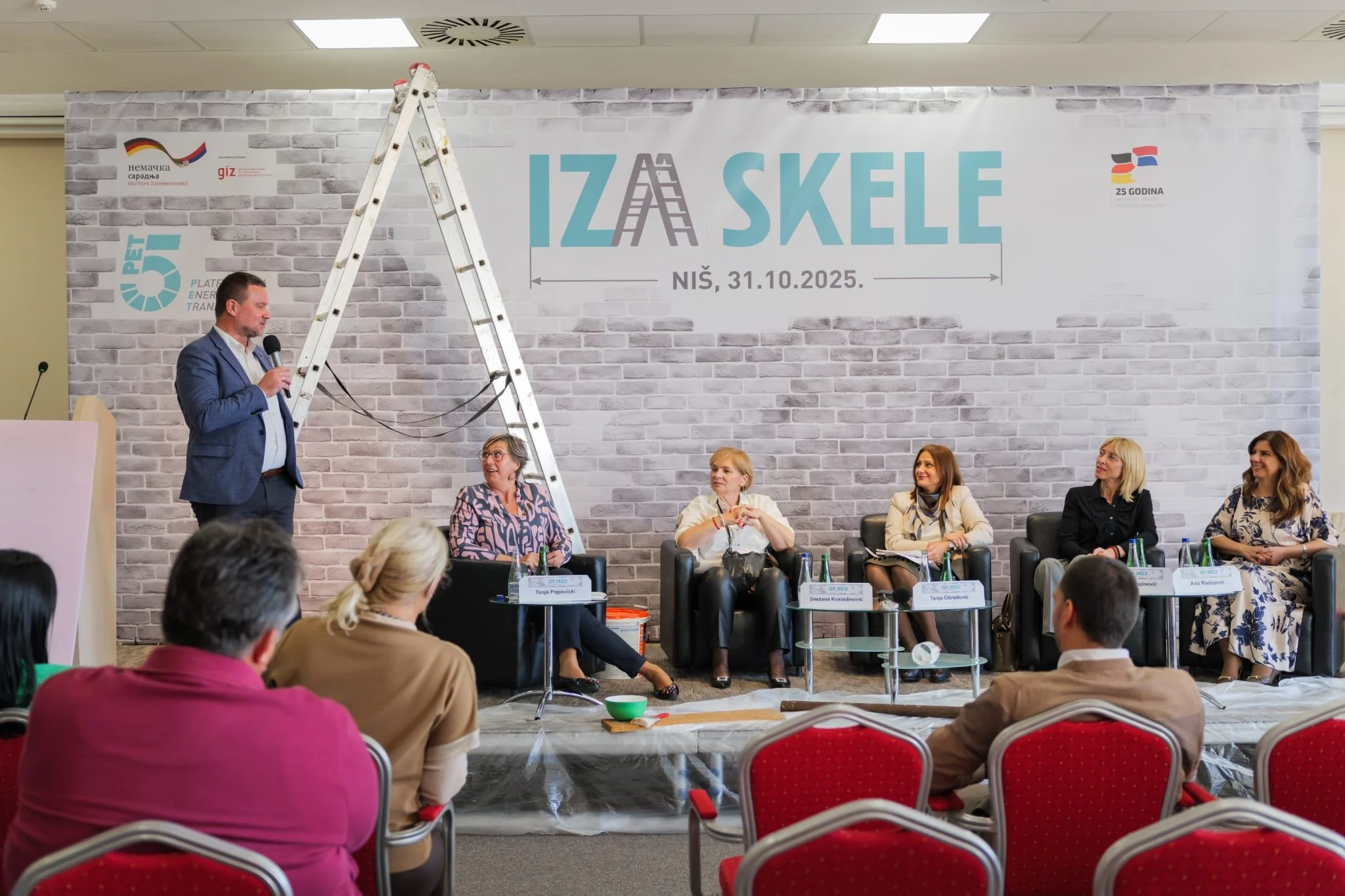
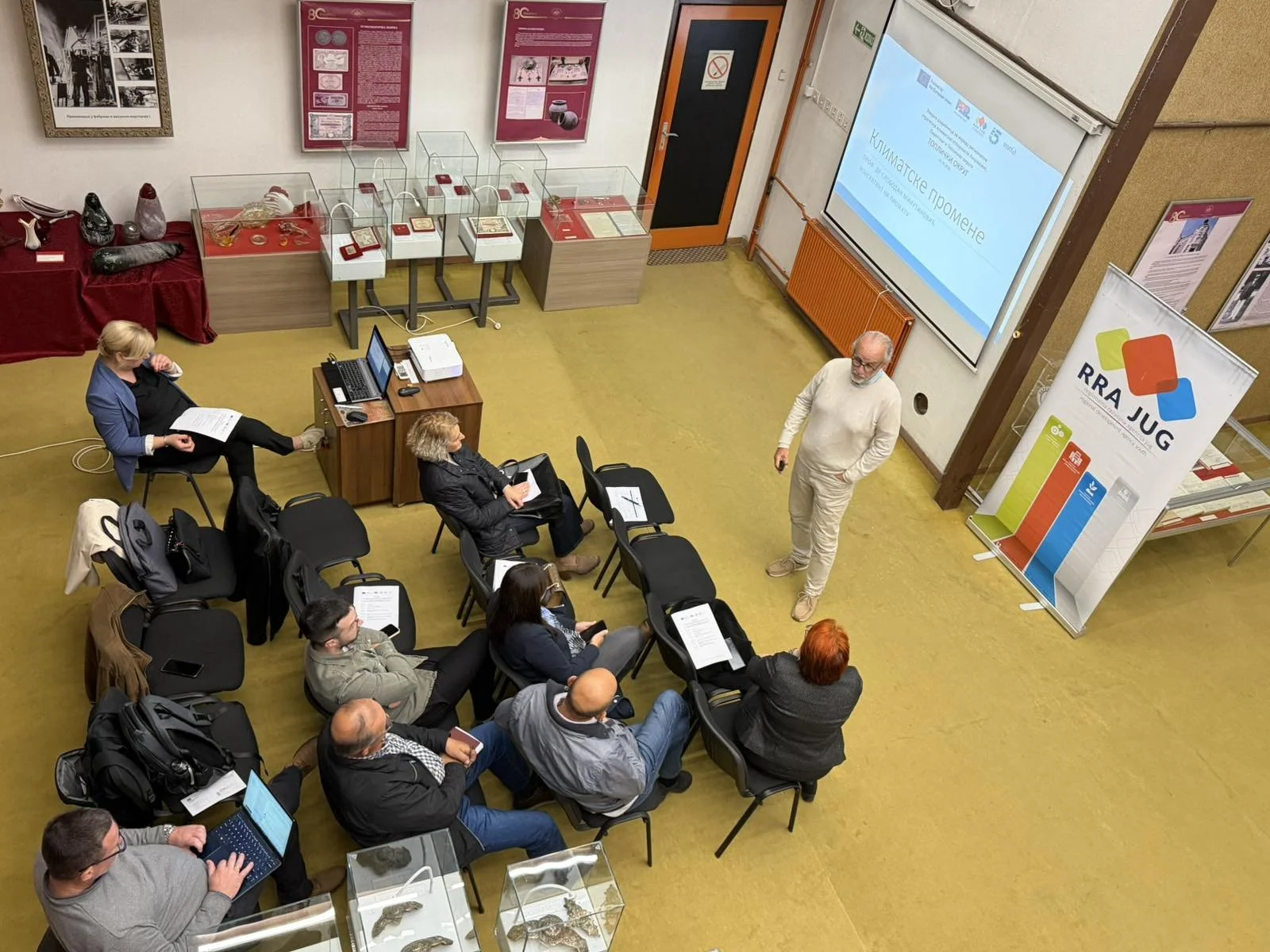
PET developed a study on energy democratization in Serbia, identifying key municipal actors and opportunities for stronger local participation in the energy transition. The findings were presented to more than 80 stakeholders at PET’s conference in Niš.
-
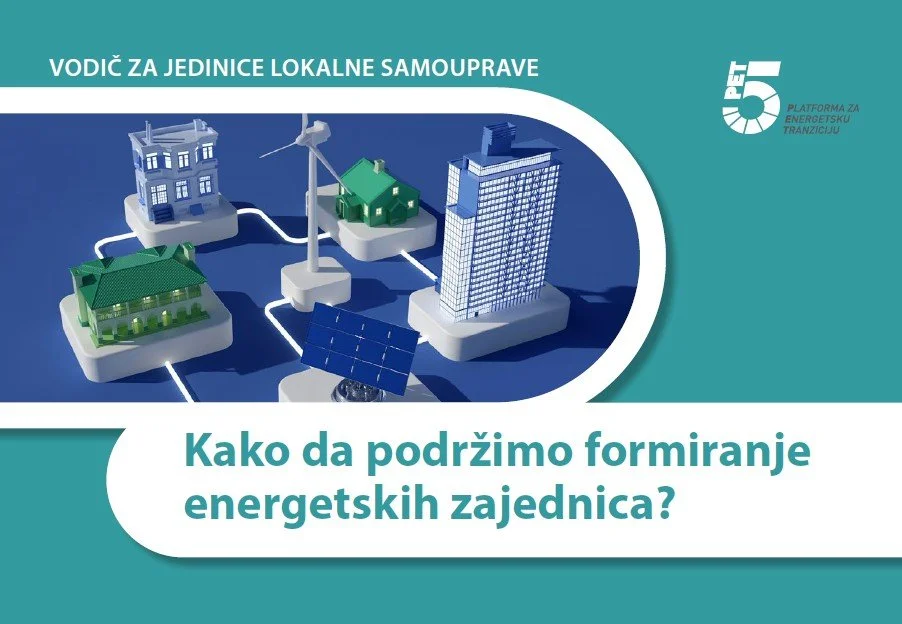
PET prepared a practical Catalogue of Models showing how local self-governments can support the establishment, development and financing of energy communities.
-
The guide “How Can Your Municipality Become a Driver of the Energy Transition?” provides local governments with a step-by-step framework for taking a more active role in local energy management, citizen engagement and community energy
development.
-
PET developed a practical building renovation guide that explains technical, financial, legal and organizational aspects of energy renovation, while also addressing the lived experience of tenants and housing communities during the renovation process.
-
Through the WomENergy initiative, PET produces policy recommendations and analyses on the gender dimensions of energy poverty, citizen energy and just transition. This work highlights the importance of inclusive participation, fair access to energy solutions and gender-responsive approaches in the development of resilient local energy communities. PET’s work on this topic was also presented at the annual Energy Cities Conference in Porto, in front of more than 50 European municipal representatives and stakeholders.
PET translates its field experience, academic expertise and work with local actors into applied research, practical guides, roadmaps and policy tools for municipalities, communities and citizens. Its publications are designed to make energy transition, citizen energy and local climate action more understandable and easier to implement in practice.
Provide and disseminate high-level expertise, innovative operational models, and systemic solutions that promote the principles of a just energy transition
Build resilient national, cross-border and regional networks to encourage, promote and affirm citizens' energy through the establishment of energy cooperatives and communities
PET goals
Serve as the strategic bridge for connecting local governance with major regional and international actors and initiatives, funds and frameworks enhancing regional compliance with the Paris Agreement and the EU Green Deal.
Enhance energy efficiency, usage of renewable energy sources and contribute to environmental protection in the Republic of Serbia and the Western Balkans region.